
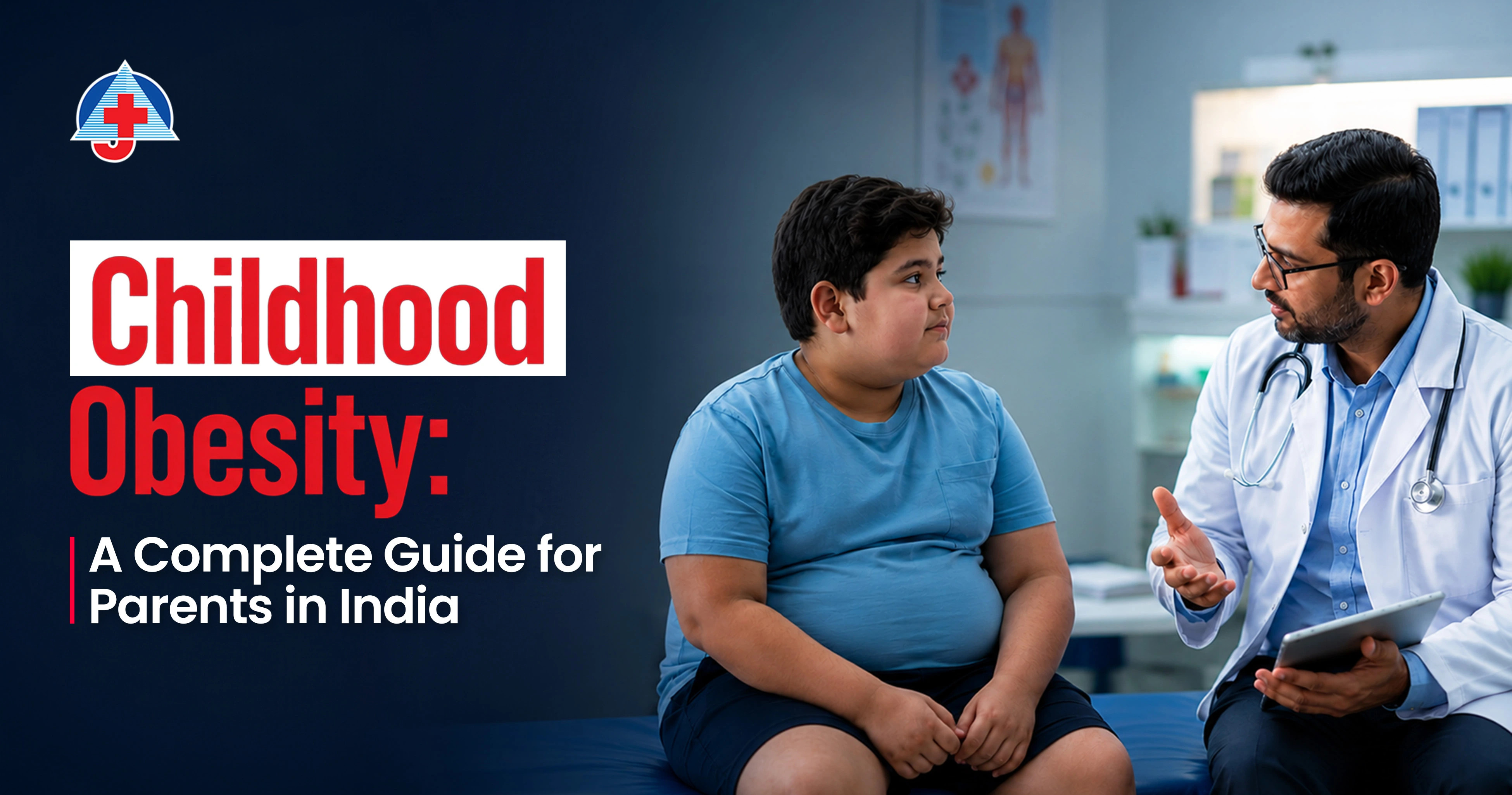
Childhood Obesity: A Complete Guide for Parents in India
Understanding and Preventing Your Child's Weight Concerns
Childhood obesity in India has reached alarming levels, with nearly 1 in 5 urban children now classified as overweight or obese. As parents in Mangalore and across Karnataka, you are likely noticing more children struggling with weight issues than ever before. This is not just about appearance.
Childhood obesity affects your child's physical health, emotional well-being and future quality of life. The rise of processed food, sedentary screen-based routines and mounting academic pressure has created conditions in which childhood weight gain is almost inevitable without conscious effort.
At A.J. Hospital, this guide will help you recognise the signs, understand the causes and take clear, practical action to protect your child's long-term health.
What is Childhood Obesity?
Understanding the Basics
What is the meaning of obesity? Obesity is a medical condition where excess body fat accumulates to the point of harming health. In children, BMI percentiles adjusted for age and gender are used to measure this.
According to the WHO, childhood overweight and obesity are growing global public health concerns.
-
Overweight: BMI at or above the 85th percentile but below the 95th percentile
-
Obese: BMI at or above the 95th percentile
-
Severely obese: BMI at or above the 99th percentile
Important Note
Childhood obesity is not just about overeating. It is a complex issue involving genetics, environment, metabolism and lifestyle. What looks like “baby fat” may actually be a developing weight problem that requires attention.
Recognising Childhood Obesity Symptoms
What Parents Should Watch For
Early detection of childhood obesity symptoms can prevent long-term complications.
Physical Signs
Parents should watch for:
-
Rapid weight gain disproportionate to height growth
-
Difficulty with activities peers manage easily, such as running, climbing stairs and sports
-
Breathing problems during sleep, including snoring or sleep apnea
-
Joint pain in the knees, hips or back
-
Dark skin patches on the neck or armpits (acanthosis nigricans)
-
Early puberty signs in girls due to hormonal changes triggered by excess fat
Behavioural and Emotional Indicators
Childhood obesity can also affect emotional well-being.
Common signs include:
-
Low self-esteem
-
Withdrawal from social activities
-
Avoidance of physical education or sports
-
Eating in secret
-
Using food for emotional comfort
-
Bullying or teasing related to weight
Medical Red Flags
Consult a pediatric obesity specialist immediately if your child experiences:
-
Persistent fatigue
-
Excessive thirst
-
Frequent urination
-
High blood pressure readings
-
Shortness of breath with minimal activity
Parent Tip
Annual screenings for blood pressure, cholesterol and blood sugar are essential for overweight children because many obesity-related complications develop silently.
Causes of Childhood Obesity
Why is Childhood Obesity Increasing?
Understanding why childhood obesity is increasing means looking at the major lifestyle changes that have affected families over the last two decades, especially in urban India.
1. Dietary Changes and Junk Food Culture
The effects of junk food on children are significant.
Traditional home-cooked meals have increasingly been replaced by:
-
Ultra-processed snacks
-
Sugar-sweetened beverages
-
Fast food
-
Convenience foods delivered through apps
When comparing healthy vs junk food for kids, balanced meals containing rice, dal, vegetables and curd provide far greater nutrition than processed restaurant meals.
A single fast-food meal may contain an entire day’s calorie requirement for a child while providing very little nutritional value.
These foods are also engineered to override natural feelings of fullness, making children eat more than their bodies require.
2. Sedentary Lifestyle
Children now spend an average of 4 to 6 hours daily using:
-
Smartphones
-
Tablets
-
Television
-
Gaming devices
Academic pressure, safety concerns and reduced outdoor play have created a generation that moves far less than previous generations.
This dramatic reduction in physical activity is one of the biggest reasons childhood obesity is increasing rapidly in urban India.
3. Parental and Family Factors
Children often mirror the eating and lifestyle habits of their families.
Risk factors include:
-
Skipping breakfast
-
Irregular meal schedules
-
Using sweets as rewards
-
Frequent takeaway meals
-
Having overweight parents
Children of obese parents face a significantly higher risk of becoming overweight themselves.
Healthy family meal patterns and home-cooked meals create an environment where healthier choices become natural and sustainable.
4. Environmental and Socioeconomic Factors
Environmental influences also contribute significantly.
In Mangalore and other urban areas:
-
Food advertising aggressively targets children
-
School canteens often offer unhealthy choices
-
Working parents may rely heavily on convenience foods
-
Outdoor play opportunities are becoming more limited
Cultural beliefs equating a chubby child with prosperity can also delay intervention.
5. Medical and Genetic Factors
Some children may develop obesity due to:
-
Hypothyroidism
-
Cushing’s syndrome
-
Genetic disorders
-
Depression or anxiety
-
Certain medications
Key Insight
Even children with a genetic predisposition can maintain a healthy weight with timely lifestyle intervention and medical guidance.
Complications of Childhood Obesity
Health Risks Every Parent Must Know
The diseases caused by obesity in children are no longer limited to adults. Obesity among children now triggers multiple serious health conditions that were once considered adult-onset.
Without intervention, these complications often worsen during adolescence and adulthood.
Immediate Health Risks
Type 2 Diabetes
Type 2 diabetes is becoming increasingly common among overweight children and can lead to:
-
Kidney disease
-
Blindness
-
Nerve damage
-
Lifelong medication dependence
Cardiovascular Problems
Childhood obesity increases the risk of:
-
High blood pressure
-
High cholesterol
-
Early heart disease
Breathing Disorders
Sleep apnea and breathing problems can affect:
-
Brain development
-
Concentration
-
Sleep quality
Obesity also worsens asthma symptoms.
Joint and Bone Problems
Excess weight increases pressure on growing bones and joints, leading to:
-
Joint pain
-
Higher fracture risk
-
Early joint wear
-
Conditions such as Blount’s disease
Liver Disease
Non-alcoholic fatty liver disease (NAFLD) can progress to permanent liver damage if left untreated.
Talking to Your Child About Weight
How parents discuss weight matters as much as the weight itself.
Avoid words such as:
-
“Fat”
-
“Chubby”
-
Negative comparisons with siblings or peers
Instead, focus conversations on:
-
Strength
-
Energy
-
Health
-
Confidence
For example:
-
“This food gives your brain more power.”
-
“Let’s go for a fun walk together.”
Involve your child in selecting recipes and activities so they feel empowered rather than criticised.
If your child experiences bullying related to weight, address it directly and reassure them that they are valued and loved.
Long-Term Consequences of Childhood Obesity
Research shows that nearly 80% of obese adolescents become obese adults.
This increases the risk of:
-
Heart disease
-
Diabetes
-
Stroke
-
Chronic joint disease
-
Reduced life expectancy
The Good News
Most complications improve significantly with early lifestyle changes and medical intervention. Even a 5–10% reduction in body weight can improve overall health markers.
How to Prevent Childhood Obesity
Evidence-Based Strategies for Parents
Prevention is always easier than treatment.
Start Early: The Benefits of Breastfeeding
The benefits of breastfeeding extend far beyond infancy.
Exclusive breastfeeding for six months can:
-
Reduce obesity risk by 15–25%
-
Improve appetite regulation
-
Support healthy gut bacteria
Parents should also:
-
Avoid forcing children to finish bottles
-
Introduce vegetables early
-
Offer whole fruits instead of juices
For working mothers in Mangalore, lactation consultants at A.J. Hospital can provide guidance on milk expression and storage.
Create a Healthy Home Environment
Healthy habits begin at home.
Simple changes include:
-
Keeping fresh fruits visible
-
Avoiding regular junk food purchases
-
Eating together as a family
-
Turning off screens during meals
-
Using smaller plates
-
Serving appropriate portions
Research consistently shows that children who eat regular family meals consume healthier foods overall.
Parents who model healthy eating habits have the strongest influence on their child’s behaviour.
Promote Physical Activity
Children aged:
-
3–5 years need around 3 hours of active play daily
-
6–17 years require at least 60 minutes of daily physical activity
Physical activity does not always need to be structured sport.
Healthy movement can include:
-
Walking
-
Cycling
-
Swimming
-
Dancing
-
Gardening
-
Traditional games like kho-kho and kabaddi
Families in Mangalore can use local parks, beaches and sports clubs to encourage activity.
The Role of Schools and Community
Parents should advocate for:
-
Healthy school canteen options
-
Regular physical education classes
-
Reduced sugary classroom rewards
Community spaces and sports programs also help children build healthier lifestyles.
Manage Screen Time and Sleep
Excessive screen exposure and poor sleep are strongly linked to obesity.
Healthy rules include:
-
No screens during meals
-
No devices inside bedrooms
-
Age-appropriate screen limits
Children aged 6–12 years require approximately 9–12 hours of sleep nightly.
Sleep deprivation disrupts hormones that regulate hunger and fullness, significantly increasing obesity risk.
Diet for an Overweight Child
Practical Nutrition Guide
An overweight child’s diet should focus on nourishment rather than harsh restriction.
The goal is to gradually replace unhealthy foods with healthier alternatives.
The Plate Method
A balanced plate should contain:
-
Half vegetables or salad
-
One-quarter whole grains such as brown rice or millets
-
One-quarter protein such as dal, paneer, eggs, fish or chicken
Also include:
-
Curd for gut health
-
Whole fruits for natural sweetness
-
Plenty of water throughout the day
Healthy Food Swaps
|
Replace |
With |
|
White rice |
Brown rice or millet rice |
|
Packaged juice |
Whole fresh fruit |
|
Chips or namkeen |
Roasted chickpeas or makhana |
|
Soft drinks |
Buttermilk or coconut water |
|
Ice cream |
Homemade fruit popsicles or frozen yoghurt |
Sample Day Meal Plan (Ages 8–12)
Breakfast
Vegetable parathas with curd or ragi porridge with banana and nuts.
Mid-Morning Snack
Fresh fruit or sliced cucumber and carrot.
Lunch
Brown rice or rotis with dal, vegetables, salad and buttermilk.
Evening Snack
Sprouts chaat, boiled peanuts or idlis with sambar.
Dinner
Rotis or dosa with sabzi, dal or egg curry and curd.
Building Healthy Eating Habits
Children who help prepare meals are more likely to develop healthy relationships with food.
Parents should:
-
Involve children in grocery shopping
-
Encourage cooking participation
-
Teach label reading
-
Practise mindful eating
Teach children to recognise true hunger rather than boredom cravings.
Eating slowly and pausing between servings helps prevent overeating because the brain takes time to recognise fullness.
When to Seek Professional Help
Childhood Obesity Treatment in Mangalore
Consult a pediatric obesity specialist if your child:
-
Has a BMI above the 95th percentile
-
Gains weight rapidly despite lifestyle changes
-
Shows obesity-related complications
-
Experiences emotional distress related to weight
-
Has a family history of diabetes or heart disease
At A.J. Hospital, childhood obesity treatment in Mangalore follows a comprehensive multidisciplinary approach.
Our Treatment Approach
Medical Evaluation
Includes BMI tracking, physical examination and blood tests.
Nutritional Counselling
Personalised meal plans using familiar local foods.
Physical Activity Planning
Age-appropriate exercise programs children genuinely enjoy.
Behavioural Support
Family counselling and psychological support when needed.
Medical Management
Medication is considered only in severe adolescent obesity cases.
Watch Our Video Guide
Watch our video guide:
A.J. Hospital – Childhood Obesity Guide on YouTube
Conclusion
Taking Action Today for Your Child’s Healthy Future
Childhood obesity is a serious challenge, but it is highly manageable with consistent support and healthy lifestyle changes.
The most effective changes are often the simplest:
-
Replacing processed snacks with fruits
-
Adding short daily walks
-
Reducing screen time
-
Eating meals together as a family
-
Improving sleep habits
As parents in Mangalore and across Karnataka, your everyday choices can significantly shape your child’s future health and well-being.
Key Takeaways
-
Recognise childhood obesity symptoms early
-
Address diet, screen time and inactivity together
-
Build healthy habits as a family
-
Seek professional help when needed
-
Focus on sustainable lifestyle changes rather than crash diets
Your Next Steps
-
Calculate your child’s BMI.
-
Review current eating habits and activity levels.
-
Introduce one healthy lifestyle change this week.
-
Schedule a paediatric health check-up.
-
Explore additional resources on childhood obesity prevention.
Weight concerns can arise at any age, especially during infancy, early childhood and pre-teen years. Early intervention is always more effective.
No. Children require adequate nutrition for healthy growth and development. The goal is usually weight maintenance while height catches up.
Focus on health, strength and energy rather than appearance. Avoid negative labels and comparisons.
Yes. Most children respond very well to improvements in diet, physical activity and sleep habits.
Hidden calories, large portions or hormonal conditions may contribute to weight gain and should be professionally evaluated.
These options are considered only in severe cases and always under specialist supervision.
Connect With Our Team
A.J. Hospital, Mangalore
Appointments: 78468 02333 / 0824 2225533
Help Desk: 0824 2225533 / 0824 6613333
Email: mailbox@ajhospital.in
Official Website
NH 66, Kuntikana, Mangalore 575004
Our pediatric obesity specialists are here to support your child every step of the way toward a healthier and happier future.